Crunch Without Guilt: Top Flavor-First Healthy Chip Substitutes
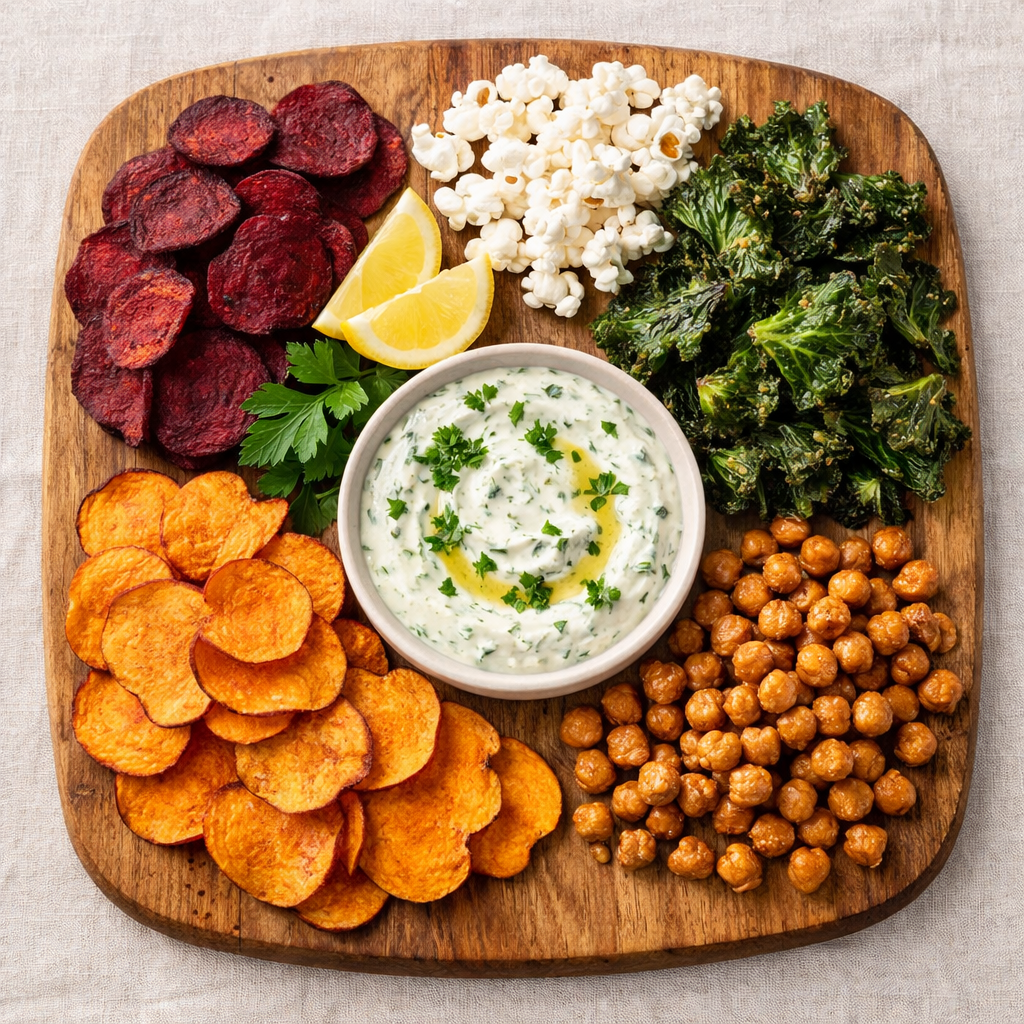
Crunch Without Guilt: Top Flavor-First Healthy Chip Substitutes
Craving the crunch without the nutrition hangover? The best flavor-first healthy chip alternatives lean on smarter oils, lighter cooking methods, and protein- or fiber-rich bases to deliver big taste with better numbers. Standouts include avocado oil kettle and tortilla chips for “real chip” bite, satiety-boosting legume crisps, airy popped options, and sweet potato chips with clean ingredients. Below, we compare oils, textures, sodium, and value so you can grab a bold, better-for-you crunch that actually satisfies. At Snack Comparison Hub, we focus on flavor-forward options with measurable improvements.
Snack Comparison Hub
We evaluate chips with a flavor-first lens and a standardized model: quick nutrition snapshots, clean-ingredient notes, value per ounce, and estimated WW Points—plus concise pros/cons and when limited-edition flavors genuinely beat core SKUs. Our tables are scannable and we stick to the facts, and our picks prioritize measurable attributes (crunch, seasoning intensity, sodium, and satiety drivers) over hype. If you’re tracking WW, see our portion-controlled picks in portion-controlled chips for Weight Watchers for easy, on-the-go portions. That consistency makes brand-to-brand comparisons quick.
Note on tables: Nutrition varies by flavor. Values below are typical per 1 oz (~28 g) and approximate; estimated WW Points are directional—always confirm in your app.
Avocado oil tortilla and kettle chips
Avocado oil chips are flavor-first contenders because avocado oil excels at carrying seasoning and producing a “real chip” crunch. Good Housekeeping’s taste panel praised Zack’s avocado oil tortilla chips for thick, restaurant-style bite and punchy lime, and highlighted Siete kettle-cooked chips using avocado oil with as few as three ingredients (potatoes, oil, salt) in their Good Housekeeping potato chip taste test. Dietitians also recommend avoiding chips fried in animal fats or coconut/palm oils and opting for avocado or olive oil to improve the fat profile, according to dietitians’ healthiest chips picks. In our scoring, avocado-oil chips typically rate high on crunch realism and clean-ingredient simplicity.
Avocado oil options at a glance (crunch, simplicity, value)
| Option | Crunch score (1–10) | Sodium (mg) | Ingredients length | Oil | Value/oz (USD) | Portion consistency |
|---|---|---|---|---|---|---|
| Zack’s Mighty Lime Tortilla (avocado oil) | 9 | ~120–150 | 5–7 | Avocado | ~$0.65–$0.85 | Sturdy triangles; minimal breakage |
| Siete Kettle Sea Salt Potato | 8 | ~150 | 3 | Avocado | ~$1.00–$1.20 | Thick-cut; consistent kettle crunch |
| Avocado-oil kettle potato (national brand) | 8–9 | ~150–170 | 3–4 | Avocado | ~$0.60–$0.80 | Hearty chips; occasional broken pieces |
Why it works (per our rubric): avocado oil chips deliver the familiar kettle snap with cleaner labels—ideal if you want bold flavor and restaurant-style crunch without the saturated fat load of palm or animal fats.
Baked potato chips
Baked chips often satisfy when you want a lighter crunch and classic potato flavor. Lay’s Baked cut about 65% of fat versus regular chips, with roughly 160 mg sodium per serving in Good Housekeeping’s reporting; however, expect only about a 10–15% calorie reduction versus fried chips, as summarized in the ProtiFoods healthy alternatives guide. Flavor intensity is often milder, and the texture is airy rather than kettle-rigid—great alongside a sandwich or when portion control is key. On our scale, they earn points for lower fat but may trail kettle chips on crunch realism.
Baked chips definition (40–50 words): Baked chips are cooked with hot air rather than deep frying, which reduces total fat and can slightly lower calories compared with fried chips. They keep a light, crispy texture, though seasoning can taste subtler, and sodium varies widely by brand and flavor.
Quick snapshot
| Style (typical) | Calories | Fat (g) | Sodium (mg) | Texture | Est. WW Points | Pros | Cons |
|---|---|---|---|---|---|---|---|
| Baked potato chips | ~120 | ~3 | ~160–210 | Light, crispy | ~3 | Much lower fat; familiar flavor | Milder seasoning; less “heft” |
| Regular kettle chips (reference) | ~150 | ~9–10 | ~150–180 | Hard kettle crunch | ~5 | Big crunch; bold taste | Higher fat |
Sweet potato chips
Sweet potato chips can deliver a satisfying kettle crunch plus micronutrient appeal. Jackson’s uses avocado oil and non-GMO heirloom sweet potatoes for a clean-ingredient, “real chip” experience noted by Good Housekeeping. Beyond crunch, sweet potatoes provide beta-carotene and potassium, which flavor-first shoppers appreciate when labels stay short. These often score well on clean ingredients and crunch in our framework.
Mini comparison
| Option | Oil | Ingredients length | Sodium (mg) | Crunch score (1–10) | Est. WW Points |
|---|---|---|---|---|---|
| Jackson’s Sea Salt | Avocado | 2–3 | ~120–150 | 9 | ~5 |
| Sweet potato kettle (typical, canola/sunflower) | Vegetable oil blend | 3–5 | ~160–200 | 8 | ~5 |
Tip: If you prefer bolder seasoning, choose flavors that pair well with sweet base notes (BBQ, chili-lime) and check sodium per serving.
Pop and puffed chips
Popped and puffed chips trade heft for a lighter, airy crunch and lower fat. PopCorners are popped (not fried), with approachable sodium and about half the fat of typical potato chips, according to Tasting Table chip rankings. Popchips use heat and pressure—not frying—to cut fat, and many flavors are vegan, gluten-free, and non-GMO per EatingWell’s best healthy chips list. When you want volume with less fat, our tables make it easy to compare sodium by flavor.
Side-by-side
| Brand | Calories | Fat (g) | Sodium (mg) | Flavor variety | Value/oz (USD) | Est. WW Points |
|---|---|---|---|---|---|---|
| PopCorners (Sea Salt) | ~130 | ~3 | ~120–170 | 6+ | ~$0.50–$0.70 | ~4 |
| Popchips (BBQ) | ~120 | ~4 | ~170–190 | 10+ | ~$0.60–$0.80 | ~4 |
What to expect: airy, crisp mouthfeel and broad flavor coverage; if you miss kettle density, pair with a protein (e.g., cottage cheese) to boost satiety without overshooting calories.
Bean and legume chips
Legume-based crisps deliver robust savory flavors with more protein and fiber to help you feel full. Beanitos packs more plant protein and fiber than standard potato chips (a common 5 g protein, 5 g fiber per serving), as highlighted by Tasting Table. EatingWell spotlights Biena Tasty Thins at 45 calories per 10 crisps with roughly 3 g protein per serving, plus Calbee Harvest Snaps at about 5 g protein and 4 g fiber. Independent reviews note Peeled Pea Crisps at around 5 g protein and 5 g fiber and Bada Bean at roughly 7 g protein per serving in an independent review of crunchy snacks. We weight protein and fiber heavily, so these frequently perform well on satiety.
“Legume chips are crisp snacks made from beans, peas, or lentils, which naturally contain more protein and fiber than potato-based chips. That nutrient density supports fullness between meals. Flavors skew savory and sturdy, though sodium can creep up—so comparing milligrams per serving is still smart.”
Protein/fiber snapshot
| Option | Calories | Protein (g) | Fiber (g) | Sodium (mg) | Texture | Est. WW Points | Notes |
|---|---|---|---|---|---|---|---|
| Beanitos (black bean) | ~140 | ~5 | ~5 | ~130–180 | Hearty crunch | ~4 | More satiating than potato chips |
| Biena Tasty Thins | 45 (per 10 crisps) | ~3 (per serving) | ~1–2 | ~90–140 | Thin, snappy | ~1–2 | Low-calorie, light bite |
| Calbee Harvest Snaps | ~130 | ~5 | ~4 | ~80–120 | Light, crisp | ~4 | Pea-based, moderate sodium |
| Bada Bean (fava/chickpea) | ~110–120 | ~7 | ~5 | ~150–200 | Firm crunch | ~3–4 | Big protein for calories |
Veggie and root chips
“Veggie” on the bag doesn’t guarantee superior nutrition—check the base, oil, and sodium. Market research shows root vegetable chips (sweet potato, beet, parsnip) represented about 49.8% of U.S. healthy vegetable chip revenue in 2024, while fried formats were roughly 37.6% of processing share in the U.S. healthy vegetable chips market report. EatingWell highlights blends from From The Ground Up (cauliflower, spinach, broccoli), and UCF Health notes kale chips retain many nutrients and are comparatively higher in iron, calcium, and antioxidants. Our side-by-side comparisons call out sodium and oil type so you can spot tradeoffs quickly.
Veggie vs. root contrasts
| Type | Examples | Micronutrient edge | Oil | Sodium (mg) | Crunch type | Notes |
|---|---|---|---|---|---|---|
| Root chips | Sweet potato, beet, parsnip | Potassium, beta-carotene (varies) | Often avocado/veg oils; many fried | ~120–200 | Hard kettle | Short labels common; watch fat if fried |
| Veggie blends | Cauliflower, spinach, broccoli (extruded) | Added veggie powders; variable | Canola/sunflower blends | Often >200 | Uniform puff/crisp | Read ingredients; sodium can run high |
| Kale chips | Dehydrated/baked kale | Iron, calcium, antioxidants | Minimal oil if baked | ~100–180 | Fragile crisp | Nutrient-forward, delicate texture |
Low sodium seekers: prioritize baked/dehydrated styles and scan for <150 mg per serving.
Fruit chips
Fruit chips scratch a sweet-and-crunchy itch with minimal sodium, but added sugar and cost can be pitfalls. Apple chips are a popular pick; Bare makes baked, freeze-dried-style fruit chips, and some reviews flag added sugar in other brands—so scan labels, as reinforced by UCF Health healthy snacking guidance and Tasting Table chip rankings. Pair with protein or fat (Greek yogurt, nut butter) to improve fullness. We flag added sugars and serving sizes so you can choose confidently.
Short definition: Fruit chips are dehydrated or baked thin slices of fruit that create a sweet, crunchy snack; nutrition varies by brand, and some include added sugars—always check labels.
Quick read
| Type | Added sugar risk | Calories | Fiber (g) | Sodium (mg) | Best pairing |
|---|---|---|---|---|---|
| Apple chips | Low if no added sugar | ~110–120 | ~3–4 | 0 | Almond butter or Greek yogurt |
| Banana chips | Higher (often sugar/oil added) | ~150–170 | ~2–3 | ~0–5 | Skyr or cottage cheese |
Protein forward crisps
For bigger appetite control with bold seasoning, protein chips can deliver serious satiety: some deliver up to about 15 times the protein of regular chips, and Proti Fit single-serve bags hit roughly 15 g protein for ~160 calories, per the ProtiFoods healthy alternatives guide. Plant-forward options exist too: Kibo Foods Veggie Crunch Chips offer around 7 g plant protein at 110 calories and are gluten- and dairy-free, noted in the U.S. healthy vegetable chips market report. A smart rule of thumb from protein-smart snacking tips: where feasible, aim for at least 10 g protein per 100 calories. In our scoring, these lead on satiety per calorie but can divide on texture realism.
Protein picks
| Option | Calories | Protein (g) | Protein per 100 cal | Sodium (mg) | Texture | Est. WW Points | Notes |
|---|---|---|---|---|---|---|---|
| Proti Fit chips (single-serve) | ~160 | ~15 | ~9–10 | ~300–360 | Rigid puff/crisp | ~4 | Big protein; watch sodium |
| Kibo Veggie Crunch Chips | ~110 | ~7 | ~6–7 | ~180–220 | Light crisp | ~3–4 | Plant protein; gentle flavors |
Tradeoffs: some protein crisps have processed textures or aftertastes—test a couple of flavors before bulk buying.
How we choose flavor first healthy chip substitutes
Our rubric protects flavor while upgrading nutrition:
- Crunch authenticity: kettle-level bite or a satisfying airy snap
- Seasoning intensity: bold but not oversalted
- Oil quality: avocado/olive preferred; avoid animal, coconut, and palm oils when limiting saturated fat (per dietitians’ healthiest chips picks)
- Sodium moderation: target <200 mg per serving when possible
- Satiety targets: 3–7 g protein or 3–5 g fiber per serving
- Ingredient list length: shorter is usually better
- Value per ounce: fair pricing for quality
- Estimated WW Points: predictable portions
- Safety note: prefer baked/air-popped when taste allows; fried snacks can contain acrylamide per public health reporting summarized in dietitians’ healthiest chips picks
Scoring framework (0–10 each)
| Criterion | Why it matters | Score (0–10) guidance |
|---|---|---|
| Flavor intensity | Ensures seasoning satisfies at smaller portions | 7–10 = bold, 4–6 = moderate, ≤3 = faint |
| Crunch realism | Delivers the “chip moment” | 7–10 = kettle/punchy, 4–6 = crisp but light, ≤3 = soft |
| Sodium balance | Flavor without bloat | 7–10 = ≤180 mg, 4–6 = 181–230 mg, ≤3 = >230 mg |
| Clean ingredients | Simplicity and transparency | 7–10 = ≤5 items, 4–6 = 6–9, ≤3 = 10+ |
| Protein/fiber | Satiety support | 7–10 = meets targets, 4–6 = near targets, ≤3 = low |
| Price/value | Affordable repeat buy | 7–10 = good value, 4–6 = fair, ≤3 = pricey |
Quick buying tips
- Follow the oil rule: choose baked/air-popped bases and avocado or olive oils; avoid animal fats and coconut/palm oils when reducing saturated fat (dietitians’ healthiest chips picks). Snack Comparison Hub calls out oil type in every table.
- Target satiety: look for 3–7 g protein or 3–5 g fiber per serving; popped chips support lower fat goals, while legume/protein crisps help fullness (EatingWell best healthy chips list; ProtiFoods healthy alternatives guide).
- Manage sodium and portions: compare milligrams per serving and consider single-serve bags; baked chips can slash fat, but often trim calories by only ~10–15% versus fried (Good Housekeeping; ProtiFoods).
Frequently asked questions
What makes a chip substitute taste bold without adding a lot of calories or sodium?
Use thicker cuts or kettle textures with punchy seasonings on baked or popped bases, and pick avocado/olive oil while comparing sodium per serving. Snack Comparison Hub’s tables make oil type and sodium easy to scan.
Are baked or popped chips better for flavor and crunch?
Baked keeps familiar potato taste with a lighter bite; popped is airier with often less fat. Check our snapshots to match your crunch preference by flavor.
How much protein or fiber should I look for to stay full?
Aim for 3–7 g protein or 3–5 g fiber per serving; for stronger appetite control, consider protein crisps that approach 10 g protein per 100 calories. Our protein/fiber snapshot highlights options that meet this.
Which oils are better choices for healthier chips?
Avocado and olive oils are solid choices for a better fat profile and seasoning delivery. We label oil types in every comparison so you can scan fast.
What portion size should I use for everyday snacking?
Stick to the labeled serving or a single-serve bag, and pair chips with protein or fiber if you need more staying power. Snack Comparison Hub’s portion notes and WW estimates make planning easier.