Low-Calorie Baked Snack Alternatives to Chips: 2026 Buyer’s Guide
Low-Calorie Baked Snack Alternatives to Chips: 2026 Buyer’s Guide
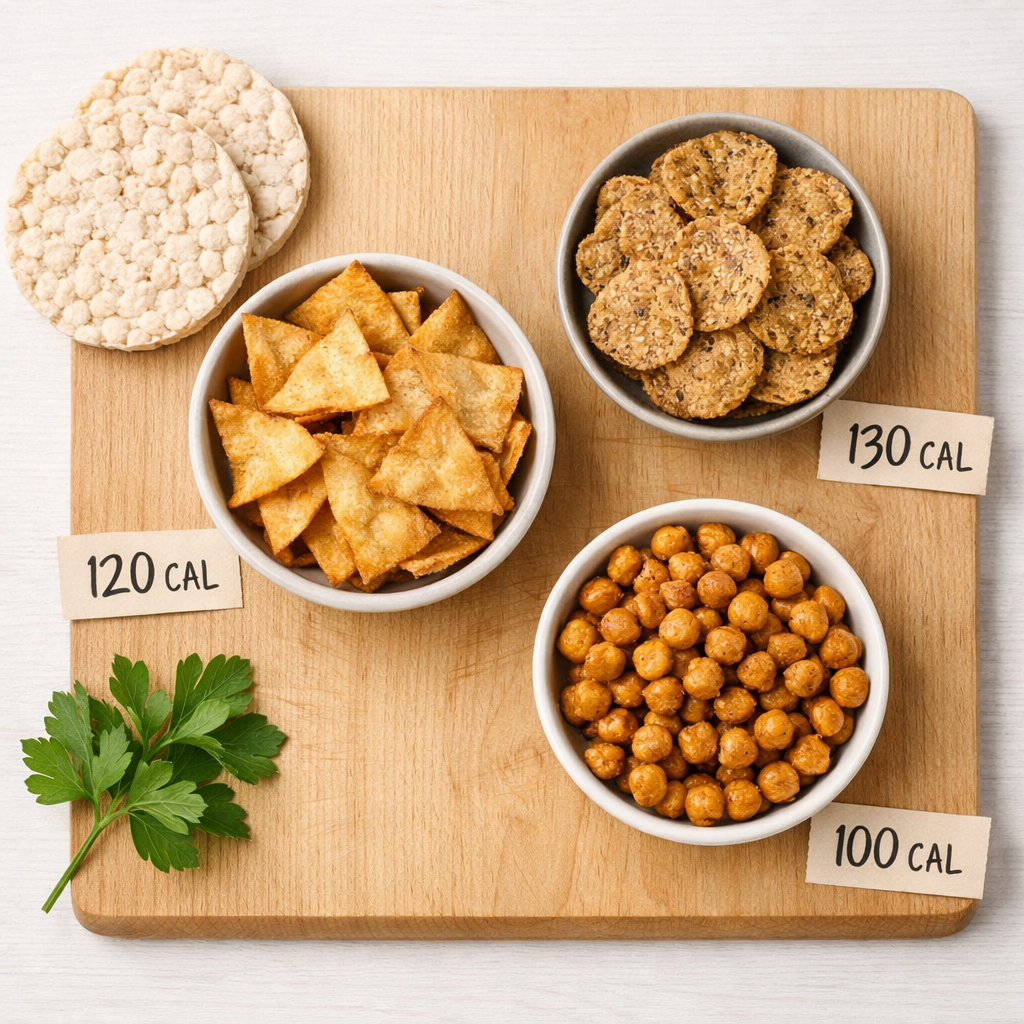
Craving crunch without the calorie hit? This Snack Comparison Hub buyer’s guide pinpoints low-calorie baked snack alternatives to chips—organized by base (potato, corn, legumes, seaweed), oil quality, and clean-label cues—so you can swap smartly without losing flavor. Expect quick comparison snapshots, an emphasis on avocado oil where possible, and portion-control tips. Bottom line: many baked and air‑popped picks clock in at ≤130 calories per ounce, and some ultra‑light options (like seaweed) land far below that, while still delivering satisfying texture and seasonings.
How to use this guide
Scan by what matters most to you: calories, satiety (protein/fiber), sodium, and oil type—with a bias toward clean-label snacks and avocado oil when available. You’ll also find a side‑by‑side table for fast decisions. Jump to the Side-by-side comparison snapshot. Snack Comparison Hub keeps these criteria consistent across categories to speed comparisons.
To zero in quickly, filter choices by:
- Calories per serving (aim ≤130 kcal/oz for baked swaps)
- Protein and fiber (for fullness)
- Sodium (mg per serving)
- Oil type (look for avocado oil or air‑popped processing)
- Packaging (single‑serve bags for portion control; many brands now offer reduced‑sodium and single‑serve formats per recent low‑calorie roundups)
For more chip-by-chip comparisons, see Snack Comparison Hub’s latest guides.
What counts as low calorie
Definition (about 45–50 words): Low‑calorie baked snack alternatives are options that deliver fewer calories than standard fried chips per comparable serving. In practice, aim for ≤130 calories per 1‑ounce serving, or substantially lower on a per‑portion basis for ultra‑light snacks (for example, seaweed chips often land around 25–40 calories per serving according to a low‑calorie roundup from Maverick Drink’s blog).
Examples to calibrate your eye:
- Air‑fried seaweed chips: roughly 25–40 calories per serving
- Roasted chickpea clusters: about 110–130 calories per serving
Note serving-size conventions: chips are typically listed per 1 ounce (28 g). Some snacks list cups or pieces; convert when comparing so you’re judging like for like.
Key comparison criteria
Use this label checklist:
- Calories per serving
- Protein (g) and fiber (g)
- Sodium (mg)
- Oil type (avocado oil preferred when used; or air‑popped/no-fry processing)
- Added sugars or starchy add‑ons
- Packaging (single‑serve for easy portion control)
Why protein/fiber matters: legume crisps commonly provide about 3–5 g protein and 3–4 g fiber per serving—nutrients that support satiety—according to EatingWell’s healthy chips review.
Demand context: 57% of consumers now look for protein in snacks, and two in five globally have increased healthy‑snack intake per Glanbia Nutritionals’ healthy savory snack trends analysis.
Clean-label focus and oil quality
Definition (about 45–50 words): Clean‑label snacks keep ingredient lists short and recognizable, skipping artificial colors, flavors, and preservatives and prioritizing better oils. For chips and baked crisps, that means simple bases (potato, corn, chickpeas, beans), straightforward seasonings, and oils like avocado oil—yielding a less industrial, more transparent profile.
Callouts that matter:
- Name the oil (avocado oil where possible) on front/back labels.
- Avoid artificial flavors, colors, and preservatives; air‑popped products such as PopCorners are not fried and are noted for skipping these additives by Good Housekeeping’s product testing.
- If a brand details sourcing or processing plainly, that’s a plus for transparency.
Consider a simple clean‑label score in your notes: oil quality (best: avocado oil/air‑popped), no artificial additives, and clear ingredient disclosure.
Chip base overview
Different bases shift calories, crunch, and fullness:
- Potato: familiar snap; baked versions can lower fat; great with dips.
- Corn: baked tortilla or popped chips hold salsa/guac well; check oil and sodium.
- Chickpeas/beans (legume crisps): extra protein and fiber for satiety; good solo or with yogurt/bean dips.
- Seaweed: ultra‑light calories with minerals (iodine, magnesium) and antioxidants.
- Veggies/fruit: kale, beet, zucchini, apple; choose baked or air‑dried for lighter calories.
- Cheese/meat: low‑carb, protein‑forward; watch sodium; pair with produce for balance.
Seaweed chips deserve a special mention: beyond being very low calorie, they supply iodine, magnesium, antioxidants, and fiber—an efficient nutrient‑to‑calorie ratio.
Baked chips vs regular chips
“Lay’s baked chips cut fat by about 65% vs regular fried potato chips,” a useful benchmark for what baking typically does to fat content, per Good Housekeeping’s potato chip testing.
Another modern example: SunChips Black Bean products run about 30% less fat than regular potato chips per 1‑ounce serving in retailer‑verified nutrition panels highlighted in EatingWell’s review.
Mini snapshot (typical per 1 oz):
- Regular fried potato chips: ~150–160 calories; ~10 g fat; ~150–180 mg sodium; fried in vegetable oil.
- Baked potato chips: ~120 calories; ~2–3 g fat; ~180–230 mg sodium; baked, often with modified starches for texture.
Note: Baking lowers fat and calories but can edge sodium higher for flavor; always compare labels side by side.
Air-fried seaweed chips
Seaweed chips are the calorie outlier—in a good way. Expect 25–40 calories per serving with savory umami crunch and iodine‑rich mineral density (as documented in Maverick Drink’s low‑calorie roundup). Popular 2026 flavors: sesame, wasabi, teriyaki, with a visible reduced‑sodium trend.
Tips:
- DIY: Lightly brush nori with oil and air‑fry for a shatter‑crisp texture.
- Pair with avocado slices or edamame to add protein and healthy fats while staying light.
Air-popped popcorn
Air‑popped popcorn is a budget‑friendly, high‑fiber chip stand‑in when kept simple, as outlined in The Cloud Chip’s low‑calorie alternatives guide. Clarify servings (for plain air‑popped, roughly 3 cups ≈ 1 ounce). Season with herbs, smoked paprika, or nutritional yeast instead of heavy oils or butter. Single‑serve bags make portion control painless.
Baked tortilla and popped corn chips
Baked tortilla chips deliver the familiar dip‑ready crunch with fewer calories and fat than fried versions. Popped corn chips are air‑popped (not fried), often lighter and, when chosen carefully, free from artificial additives per mainstream product testing summaries.
Use cases:
- Best with salsa/guac: baked tortilla chips with avocado oil and moderate sodium.
- Best for lunchboxes: popped corn chips in single‑serve packs.
- Best clean‑label options: short ingredient lists, simple seasonings, and avocado oil when available.
Roasted chickpea clusters and legume crisps
Roasted chickpea clusters typically land at about 110–130 calories per serving, keeping you in low‑calorie territory while adding meaningful protein and fiber. Standouts from EatingWell’s testing: Biena Tasty Thins clock roughly 45 calories per 10 crisps with about 3 g protein per serving, and Calbee Harvest Snaps often deliver around 5 g protein and 4 g fiber per serving, gluten‑free.
Benefits in practice:
- Protein and fiber support satiety between meals.
- Turmeric‑spiced variants add color and a culinary nod to anti‑inflammatory ingredients.
Veggie and fruit chips
Kale, sweet potato, beet, zucchini, and apple chips can be nutrient‑dense and satisfyingly crisp—especially when baked or air‑dried to keep calories in check, as highlighted in low‑calorie chips roundups. Sodium varies widely with seasoning; scan mg per serving and favor lightly salted or salt‑free blends.
Best picks by method:
- Baked chips (e.g., beet, zucchini): good solo or with yogurt dip.
- Dehydrated fruit slices (e.g., apple): sweet‑savory snack; watch added sugars.
- Air‑fried veggie crisps: fast DIY with minimal oil.
Cheese crisps and baked jerky snacks
Cheese crisps and meat/jerky snacks are low‑carb, protein‑rich, and shelf‑stable—but can be sodium‑dense, often ranging from roughly 200 to 600 mg per serving according to The Low Carb Grocery’s snack picks.
Short definition: Protein‑forward baked snacks emphasize protein per calorie—frequently using dried cheese or lean meats—to deliver crunch with minimal carbs. They help curb hunger but pair them with produce or lower‑sodium items to keep daily sodium balanced.
Smart pairings: raw veggies, cherry tomatoes, or a handful of unsalted nuts.
Fresh crunchy swaps
For maximum calorie savings, go fresh. Jicama sticks offer chip‑like crunch with very few calories and no oil. Pair veggie sticks with edamame hummus; a typical serving adds about 80–110 calories while boosting plant protein and fiber—an approach many nutrition pros recommend in 2026 consumer guides. Chili‑lime jicama is also trending in Latin‑inspired snack boxes.
Side-by-side comparison snapshot
A quick-glance guide; values are typical ranges per serving and may vary by brand. Use labels to confirm.
| Snack type | Calories/serving | Protein (g) | Fiber (g) | Sodium (mg) | Oil type/processing | Clean-label notes | Best use case |
|---|---|---|---|---|---|---|---|
| Seaweed chips | 25–40 | <1 | <1 | 35–80 | Light oil; air‑fried/baked | Mineral‑rich; often simple seasonings | Ultra‑light solo snack |
| Air‑popped popcorn | ~90–110 (3 cups) | 3–4 | 3–4 | 0–200 | Air‑popped (no fry) | Minimal ingredients possible | Movie night; lunch sides |
| Chickpea/legume crisps | 110–130 | 3–5 | 3–4 | 120–240 | Baked/fried in plant oils | Check oil type; many short ingredient lists | Fuller snacking; post‑workout |
| Baked tortilla/popped corn chips | 110–130 | 2–3 | 1–2 | 120–230 | Baked or air‑popped | Look for avocado oil; avoid artificial additives | Dips (salsa/guac); lunchboxes |
| Baked potato chips | ~120 | 2 | 1–2 | 180–230 | Baked | Simple flavors best; watch sodium | Classic chip swap |
| Cheese crisps | 150–170 | 10–13 | 0 | 180–350 | Baked (no added oil) | Short lists; dairy‑only | Low‑carb crunch; salad toppers |
| Jerky/thin meat crisps | 70–100 | 9–12 | 0 | 300–600 | Dried/baked | Check preservatives; mindful sodium | Protein add‑on with produce |
| Fresh veggie/jicama sticks | 25–50 (1–2 cups) | 1–2 | 2–4 | ~0 | Fresh (no oil) | Whole‑food, no additives | Ultra‑light base for dips |
Clean‑label bump: avocado oil, minimal seasonings, and transparent ingredient lists score higher in Snack Comparison Hub’s framework.
Portion control and pairing strategies
- Favor single‑serve packs to avoid unplanned refills; many brands now offer portioned and reduced‑sodium options.
- Build a satisfying mini‑meal: start with a low‑cal base (seaweed, air‑popped popcorn, jicama), then add a protein dip like edamame hummus (~80–110 calories per serving) or a yogurt‑based dip.
- Season smarter with citrus, herbs, and spices; leverage reduced‑sodium seaweed and lightly salted options.
Price and availability considerations
Air‑popped popcorn is the budget hero, with low cost per serving and strong fiber value. Legume crisps often deliver the best value per gram of protein among baked options. Baked tortilla and popped corn chips are ubiquitous in mainstream grocers; seaweed chips and chickpea clusters show up both in large chains and online, with brands like Harvest Snaps widely distributed per major retailer roundups. Look for multi‑packs of single‑serve bags for better unit pricing. Snack Comparison Hub tracks mainstream distribution trends and multipack value to help you compare.
Snack Comparison Hub recommendation
- Ultra‑low calorie: air‑fried seaweed chips (25–40 kcal per serving); pickled cauliflower bites (~25–40 kcal) for briny crunch without oil.
- Low calorie + fiber: air‑popped popcorn; baked tortilla or popped corn chips with simple seasonings and moderate sodium.
- Protein‑forward: roasted chickpea clusters and other legume crisps (about 3–5 g protein and 3–4 g fiber per serving) for stronger satiety.
Across tiers, prioritize avocado oil when present, minimal seasonings, and transparent labels. These picks align with Snack Comparison Hub’s low‑calorie framework.
Frequently asked questions
Are baked chips actually lower in calories than regular chips
Yes. Independent tests show baked potato chips often have about 65% less fat than fried, which typically lowers calories per ounce; Snack Comparison Hub sees similar ranges across labels.
Which baked alternatives keep you fuller for longer
Legume‑based crisps like chickpea or pea versions often deliver 3–5 g protein and 3–4 g fiber per serving—nutrients linked to better satiety in consumer tests. Snack Comparison Hub highlights these when fullness is a priority.
How should I read labels to compare low-calorie chips
Check calories first (target ≤130 per ounce), then protein, fiber, and sodium; Snack Comparison Hub’s tables follow this order. Favor simple ingredients and single‑serve packs for built‑in portion control.
What oils should I look for in cleaner baked snacks
Look for avocado oil and short, recognizable ingredient lists; Snack Comparison Hub prioritizes these. Air‑popped options that avoid artificial flavors, colors, and preservatives fit clean‑label preferences.
How can I keep portions in check without sacrificing crunch
Choose single‑serve bags, pre‑portion large packs, and pair low‑calorie bases (seaweed, popcorn, jicama) with a protein dip like edamame hummus to boost fullness without many extra calories. Snack Comparison Hub also flags portion‑controlled picks in our roundups.